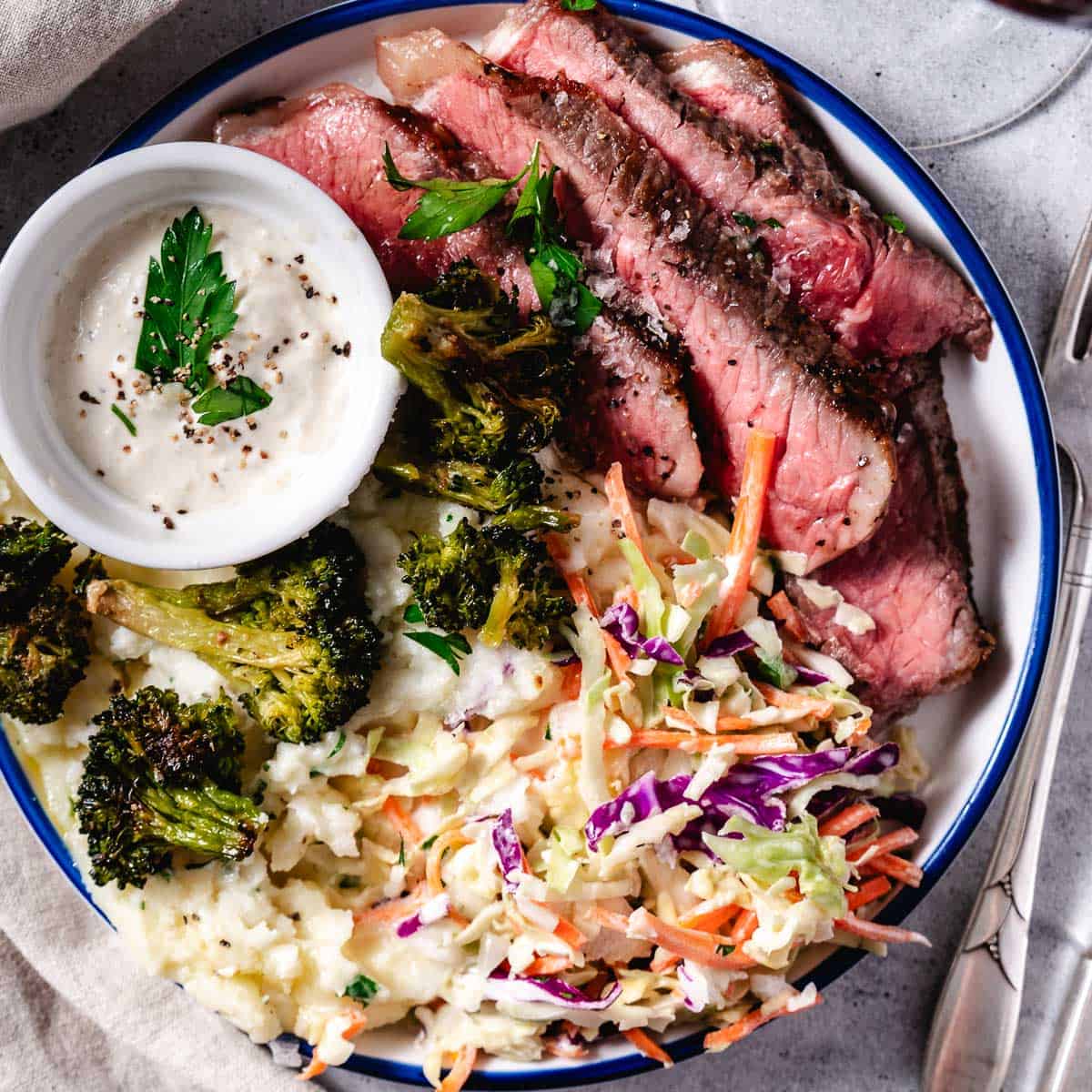
Unlock Steakhouse Perfection: Why Reverse Searing is the ONLY Way for Perfect NY Strip Steaks
Imagine slicing into a magnificent New York Strip steak, only to find a perfectly uniform pink from edge to edge, cradled by a deep, irresistible crust. Every single bite is a tender, juicy explosion of flavor, a mouthwatering slice of heaven. If this sounds like a dream, it's time to discover the revolutionary technique that makes it a reality: reverse searing. For connoisseurs of steak, especially those who appreciate the robust flavor and texture of a New York Strip, mastering the reverse sear isn't just a choice—it's the *only* way to consistently achieve perfection. For years, home cooks and even professional chefs were taught a different gospel: sear first to "lock in juices," then finish cooking. But culinary science and countless successful experiments have revealed a superior path. The perfectly cooked reverse seared NY strip steaks made by this method stand head and shoulders above traditionally prepared cuts, promising an unparalleled dining experience right in your own kitchen or backyard.What Exactly *Is* Reverse Searing? Unpacking the Method
The term "reverse searing" might sound counter-intuitive at first glance, but its genius lies in its simplicity and effectiveness. Contrary to conventional wisdom, which dictates a high-heat sear as the first step, reverse searing flips the entire process on its head. Here's the essence of it:You begin by roasting the meat very slowly at a low temperature, typically in an oven or on the indirect side of a grill. This gentle, prolonged exposure to heat allows the steak's internal temperature to build gradually and evenly. Only *after* the steak has reached close to its desired final internal temperature do you introduce it to intense, screaming-hot heat for a quick sear.
This method, refined over years by countless steak enthusiasts (including those who swear by it for over a decade), delivers the most evenly cooked steaks imaginable. The concept that searing "locks in juices" has largely been debunked. While searing *does* add invaluable flavor and texture through the Maillard reaction—the browning of amino acids and sugars—it doesn't need to be the initial step. By reversing the process, we achieve all the benefits of that glorious crust without sacrificing the interior's integrity.
This technique works exceptionally well for thick cuts of meat, like a majestic cowboy ribeye, a massive tomahawk steak, or a substantial prime rib. But for a full-size New York strip steak, taking the time to do a reverse sear will genuinely revolutionize your steak game, ensuring you achieve Master the Reverse Sear: Perfectly Cooked NY Strip Every Time.
Why Reverse Searing Reigns Supreme for NY Strip
When it comes to a beautiful cut like the New York Strip, which boasts a fine balance of tenderness and chew, along with a rich, beefy flavor profile, the method of cooking is paramount. Reverse searing elevates the NY Strip to its highest potential for several compelling reasons:- Unmatched Even Doneness: This is the hallmark of reverse searing. Forget the dreaded gray band around the edges of your steak, a common pitfall of high-heat cooking. The low-and-slow approach ensures that the heat penetrates the meat gently and uniformly, resulting in a consistent pink (or red, depending on your preference) from the very center right to the crust.
- Superior Juiciness: By cooking slowly, the muscle fibers within the steak contract less violently, retaining more of their natural moisture. The result is a much juicier steak with no overcooked portions of meat, maintaining tenderness throughout.
- The Perfect Crust: The final, high-heat sear works magic. Because the interior of the steak is already at temperature, the searing can be done quickly and intensely, developing that desired golden-brown, crispy crust without risking overcooking the tender inside. This provides an incredible textural contrast that enhances every bite of your reverse seared NY strip steaks.
- Enhanced Flavor Profile: The slow cooking phase allows connective tissues to break down gently, further tenderizing the meat and allowing flavors to develop more deeply. The subsequent searing creates a rich, complex flavor unique to perfectly seared beef.
- Greater Control and Consistency: Using a meat thermometer throughout the slow-cooking phase gives you precise control over the final doneness. This eliminates guesswork and ensures repeatable, perfect results every time you cook.
It's this combination of factors that makes Achieve Juicy, Tender NY Strip Steaks with a Crispy Reverse Sear not just possible, but practically guaranteed with the reverse sear method.
The Science Behind the Sizzle: Why It Works
To truly appreciate the reverse sear, it helps to understand the subtle science at play. Traditional searing, by hitting a cold steak with high heat, causes the outer layers to cook rapidly while the cooler interior struggles to catch up. This often leads to that "bullseye" effect – a well-done exterior, a medium band, and perhaps a rare center, with varying degrees of tenderness. Reverse searing bypasses this issue entirely. When steaks are cooked slowly with low heat, the temperature builds up gradually and evenly inside the meat. This gentle increase in temperature allows the proteins to denature and juices to redistribute more uniformly throughout the steak. There's less moisture loss compared to high-heat cooking, and the muscle fibers don't seize up as dramatically. When the steak finally hits the super-hot pan or grill for the sear, its surface rapidly undergoes the Maillard reaction. This chemical process is responsible for the complex flavors and attractive browning that we associate with a perfectly cooked steak. Because the interior is already at its target temperature, the searing step can be executed swiftly, achieving a crisp, flavorful crust without pushing the internal temperature much further. This brief, intense burst of heat means the exterior gets its smoky char and crispy texture, while the interior remains gloriously tender and juicy.Mastering Your Reverse Sear: Practical Tips for Success
Ready to elevate your home cooking and create the most incredible reverse seared NY strip steaks made by your own hands? Here are some actionable tips:1. Start with a Quality, Thick Cut
Reverse searing truly shines with thicker steaks, ideally 1.25 to 1.5 inches thick or more. A New York Strip steak of this thickness is perfect. Thinner steaks cook too quickly during the low-and-slow phase, making the reverse sear less impactful. Don't be afraid to invest in a good cut; it makes all the difference.
2. Season Generously and Dry Brine
About 30-60 minutes before cooking (or even better, the night before), pat your steak completely dry with paper towels. Season liberally on all sides with coarse sea salt and freshly cracked black pepper. For an extra boost, consider a dry brine by salting the steak and letting it sit uncovered in the refrigerator overnight. This draws out moisture from the surface, enhancing crust formation and seasoning the meat deeply.
3. The "Low and Slow" Phase
- Method: You can use a low oven (250-275°F / 120-135°C) or the indirect heat zone of your grill.
- Monitor Temperature: This is where your meat thermometer becomes your best friend. Do NOT rely solely on a timer. For a medium-rare finish, aim for an internal temperature of 110-115°F (43-46°C) for your NY Strip *before* searing. For medium, target 120-125°F (49-52°C).
- Estimated Times: For a 1.5-inch thick steak at 250-275°F, this phase might take anywhere from 20-45 minutes, but again, let the thermometer be your guide. Thicker steaks will take longer.
4. The High-Heat Searing Finale
Once your steak reaches its target internal temperature, remove it from the oven/grill and prepare for the sear.
- Heat Source: Get a cast iron skillet screaming hot on your stovetop (high heat) or crank your grill to its highest setting.
- Fat for Searing: Add a high smoke point oil (like avocado or grapeseed oil) to your pan, or directly onto the steak if grilling. For extra flavor, add a knob of butter, garlic cloves, and fresh rosemary or thyme during the last minute of searing.
- Quick Sear: Sear the steak for 1-2 minutes per side, plus the edges, until a beautiful, deep brown crust forms. Be quick! The goal is crust, not further cooking of the interior.
5. The Crucial Rest
After searing, transfer your perfectly crusted NY Strip to a cutting board. Tent it loosely with foil and let it rest for 5-10 minutes. This allows the juices, which have migrated to the center during cooking, to redistribute throughout the steak, ensuring every slice is incredibly juicy and tender. Remember that the steak's internal temperature will rise by a few degrees during this rest (carryover cooking), which is factored into the initial target temperature.
